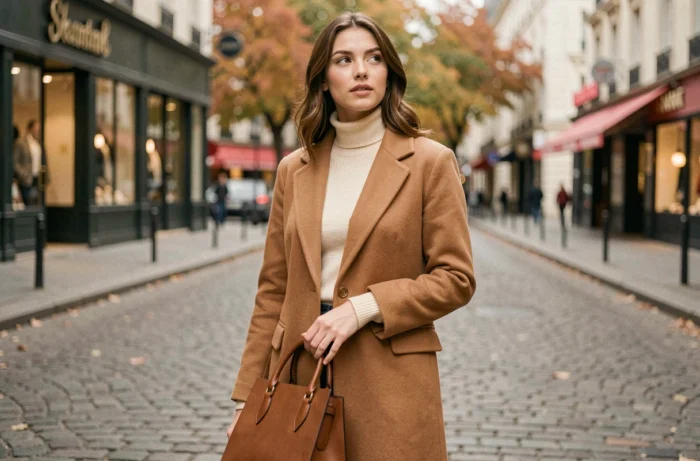
A fashion blog does not operate like an online store. While a retail site organizes its pages by product categories, an editorial blog structures its content around visual angles, aesthetic choices, and photographic narratives. The fashion section of a blog like Pingoo illustrates this logic: fashion trends are approached through the lens of shooting, personal style, and experimentation, not through product listings.
Photo shoots and editorial fashion: what distinguishes a blog from a catalog
The fundamental difference between editorial fashion content and an e-commerce catalog lies in the intention. A catalog shows a garment from multiple angles to trigger a purchase. A fashion blog conveys a stylistic intention, documents a choice of lighting, an atmosphere, a staging choice.
Pingoo takes this logic further by publishing in-house shoots on a regular basis, often documented week by week. The posts that accompany these series describe the shoot itself: the choice of outfits, lighting conditions, and sometimes the reactions of the community. The result resembles more of a photographic logbook than a commercial showcase.
This intimate format contrasts with the ultra-polished campaigns of major brands. The models return from one shoot to the next, creating visual familiarity. The reader follows a stylistic progression rather than a succession of seasonal novelties. To explore this type of content, Pingoo’s fashion section gathers these photographic series and the articles that accompany them.
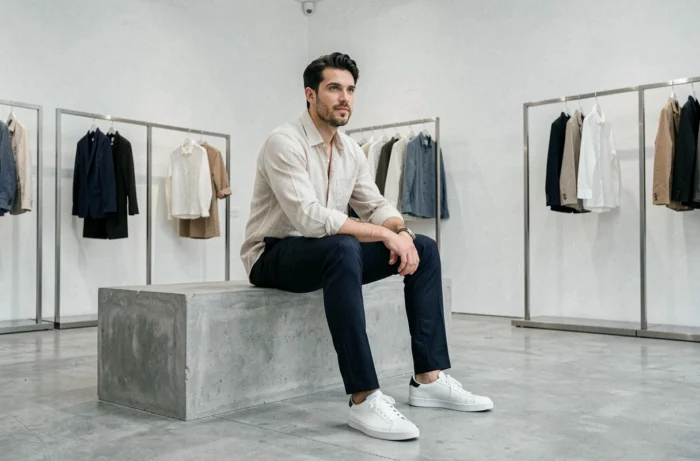
Fashion trends on an editorial blog: reading beyond the garment
On a retail site, a trend translates into a selection of pieces to buy. On an editorial blog, the trend is a pretext to explore a broader aesthetic. This nuance changes how the reader consumes the content.
The intimate aesthetic as a counter-model
The shoots published on Pingoo adopt a style that could be described as improvised studio. No sophisticated decor, no heavy post-production. The focus is on the texture of the garments, the drape of a fabric, the model’s posture in a tight frame.
This choice reflects an underlying trend in online fashion: the search for visual authenticity. Readers accustomed to retouched images from marketplaces find in this type of content a more direct relationship with the garment. The outfit is not enhanced by a decor; it exists on its own.
Recurring models rather than interchangeable mannequins
The choice to bring back the same models from one shoot to another is not trivial. It allows the reader to compare different styles worn by the same silhouette. This is a more effective fashion reading tool than the constant rotation of unknown faces.
The recurrence of models creates a narrative thread that classic catalogs do not offer. The reader can observe how the same person wears a minimalist style one week and a more structured outfit the next, making stylistic choices concrete and comparable.
Fashion blog and member-only content: a hybrid editorial model
Pingoo does not limit itself to freely accessible content. The site offers a section reserved for members, which alters the usual dynamics of a fashion blog. This segmentation distinguishes two types of readers: those who come for surface visual inspiration and those seeking deeper access to the photographic series.
This hybrid model (open content and member content) is uncommon in French-speaking fashion blogs. It borrows more from visual creator platforms than from traditional online magazines. For the reader, this means that some series and posts are only accessible after registration, creating a more pronounced curation effect.
The editorial consequence is direct: freely accessible articles serve as an entry point, while member content pushes stylistic experimentation further. This division avoids the editorial dilution observed in fashion blogs that publish everything openly without content hierarchy.
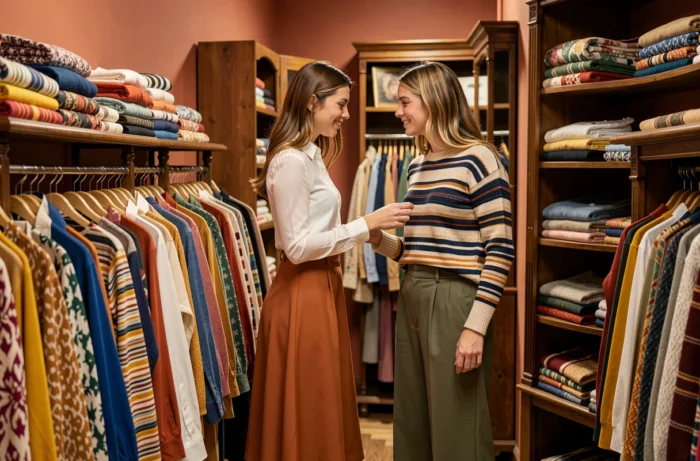
Web culture and fashion: why boundaries are fading
Pingoo does not confine itself to clothing fashion. The blog mixes photo shoots, tech product tests, and content related to web culture in a broad sense. This blend may be surprising, but it reflects how readers actually consume online content: through intersecting interests, not through watertight categories.
A reader interested in fashion photography often also cares about equipment, editing software, and visual trends on social media. Fashion becomes a visual thread rather than a compartmentalized subject. Pingoo’s fashion articles coexist with tests of electric bikes or chronicles on video games, and this coexistence is not accidental.
This multi-thematic positioning gives fashion content a context that specialized blogs do not offer. The photographed outfit is not isolated in an aseptic fashion universe: it exists within an ecosystem of curiosities, making it paradoxically more tangible.
- The shoots document the creative process (lighting, staging, clothing choices) and not just the final result
- The weekly publication rhythm allows for following stylistic evolution like a series, not as a frozen catalog
- The mix of fashion and web culture attracts readers who do not frequent traditional fashion blogs
Pingoo’s fashion section functions as an open stylistic logbook, fueled by regular photographic experiments. This editorial format, halfway between a personal blog and a visual magazine, offers an alternative to the standardized fashion content of major platforms. For readers seeking fashion inspiration outside commercial circuits, it is precisely this artisanal approach that makes the difference.