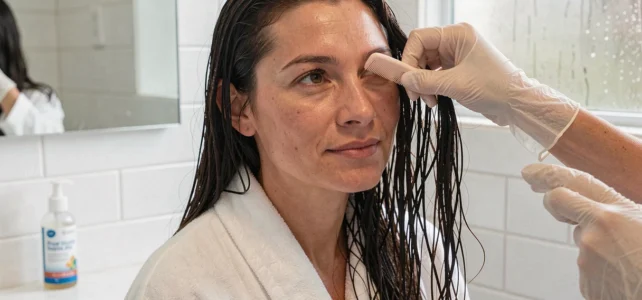
Fleas found in hair often cause confusion with lice. However, the distinction is crucial for choosing the right treatment: a flea does not permanently settle on the scalp. It passes through, bites, and then returns to the environment or a host animal. Understanding this mechanism radically changes the approach to the problem.
Fleas in hair: a passing parasite, not a resident
Unlike lice, which cling to hair to lay eggs, domestic fleas (primarily the cat flea, Ctenocephalides felis) do not colonize the scalp. Their morphology, with a laterally flattened body and legs designed for jumping, makes them poorly suited for prolonged life in hair.
Further reading : Discover slimming injections for weight loss: effective solutions and tips
A flea can end up in hair after close contact with an infested animal or a heavily contaminated environment. It stays there for a few minutes to a few hours, just long enough to bite, before seeking to go back down. The infestation source is in the habitat, not on the head.
This distinction has a direct consequence on the treatment strategy: focusing solely on the hair means treating a symptom without addressing the cause. Knowing how to kill fleas in hair starts with identifying the source, usually a pet or a nest of larvae hidden in the household textiles.
Recommended read : Foul-smelling flatulence in children: causes, solutions, and when to worry
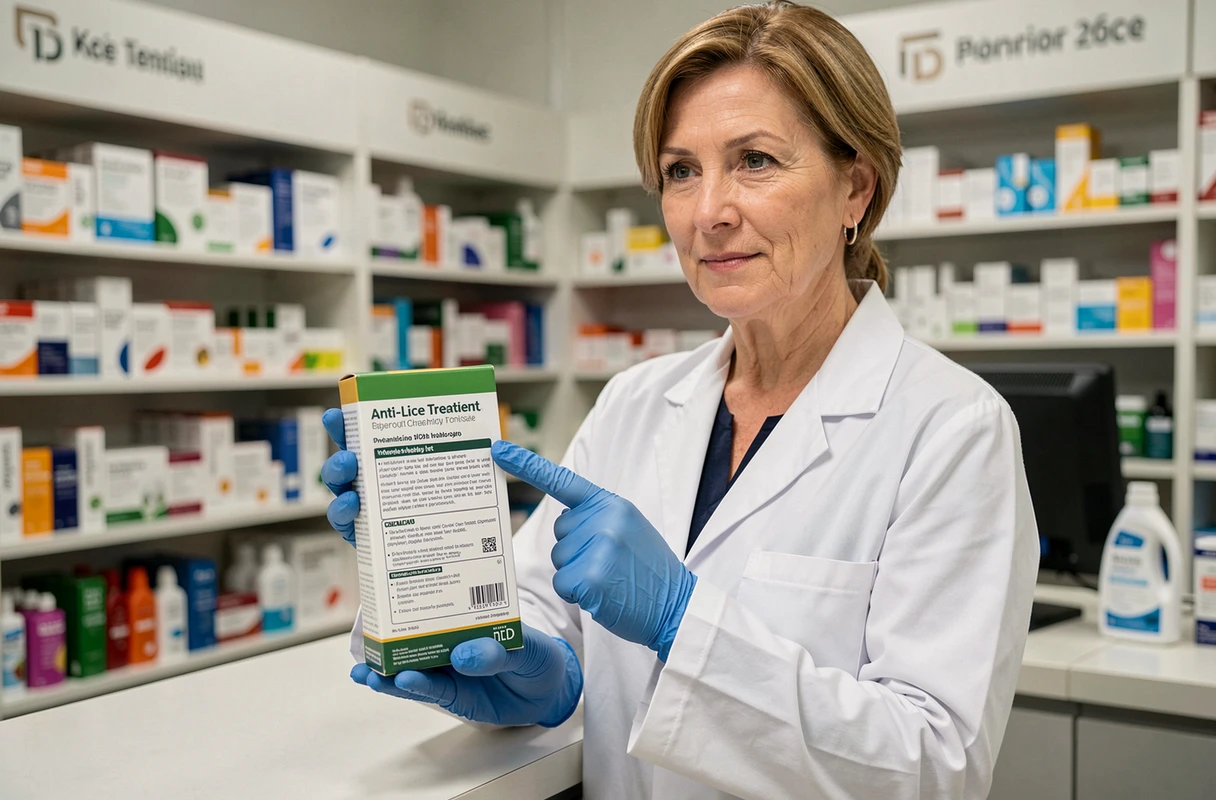
Scalp treatment: dimethicone and fine comb against fleas
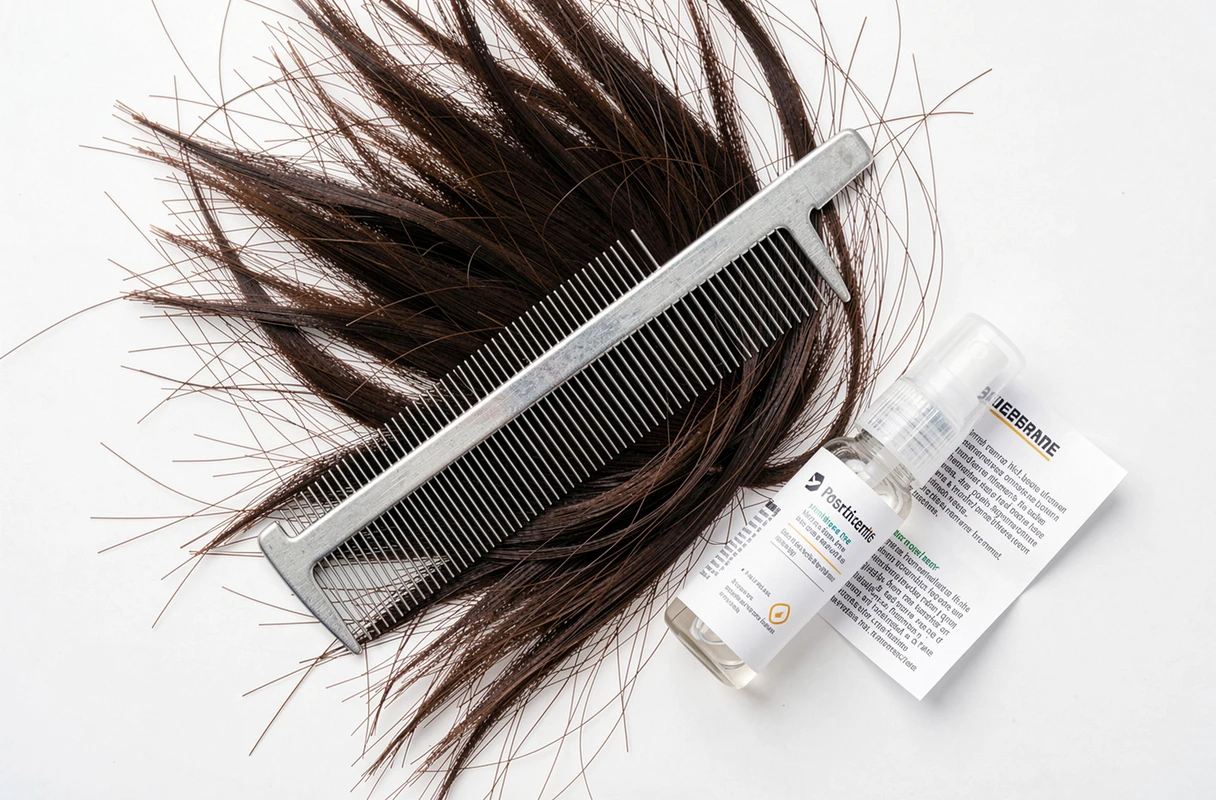
Once a flea is spotted in the hair, the priority is to eliminate it mechanically. The fine-toothed comb (the one used against lice) also works on adult fleas. A methodical pass, strand by strand, on wet hair is enough to dislodge the present parasites.
For a more comprehensive treatment, products with physical action like dimethicone have a notable advantage. Instead of killing the parasite chemically, dimethicone coats and suffocates it. This mechanism bypasses the issue of resistance to insecticides, a documented phenomenon that has led recent health recommendations to favor this type of solution.
Why avoid conventional insecticides on the scalp
Some pest control sprays sold for homes or animals contain substances unsuitable for application on human skin, let alone on the scalp. Using products intended for animals on human hair exposes one to irritations or even allergic reactions.
Pest control treatments without prior diagnosis are not recommended by health authorities. If no flea is visible upon inspection, it is better to refrain from applying a product as a precaution. Regular inspection remains the best prevention.
Eliminating fleas in the home: the essential foundational treatment
The majority of the flea population in a home is not found on the animal or the inhabitants. Eggs, larvae, and pupae represent almost the entire infestation and hide in carpets, rugs, floorboards, cushions, and pet baskets. This reservoir must be targeted.
The flea’s life cycle explains why a single intervention is not enough. Larvae feed on organic debris on the ground, then weave a protective cocoon in which they can survive for several months, sheltered from surface treatments.
Cleaning protocol in case of infestation
- Vacuum daily for at least two weeks on all textile surfaces, baseboards, and corners, disposing of the bag or emptying the bin after each use to prevent fleas from re-emerging.
- Wash bedding, cushion covers, blankets, and the pet’s basket at high temperatures (at least 60 °C). Larvae and eggs do not survive heat.
- Treat the carrier animal with an appropriate pest control product (spot-on, tablet, or collar as recommended by the veterinarian) alongside the habitat treatment, otherwise the cycle resumes.
- In case of persistent infestation, an insecticide treatment of the environment (spray or fogger containing an insect growth regulator) may be necessary to reach the pupae protected in their cocoon.
A common mistake is to treat the animal without treating the home, or vice versa. Both interventions must be simultaneous to break the reproductive cycle.
Natural solutions against fleas: real effectiveness and limits
Diatomaceous earth, white vinegar, apple cider vinegar, and essential oils are often cited as alternatives to chemical treatments. Their popularity is explained by a legitimate search for less aggressive solutions, especially in households with young children.
Diatomaceous earth works by abrasion: its microparticles damage the waxy cuticle of the flea, causing dehydration. This mechanism works on adult fleas with direct contact with the powder. However, no natural solution effectively reaches the pupae in their cocoon, which limits their effectiveness in the case of an established infestation.
Vinegar (white or apple cider) is often suggested as a repellent. Field reports vary on this point: some users notice a temporary deterrent effect, while others observe no difference. No solid data supports its consideration as a curative treatment.
Essential oils (lavender, eucalyptus, citronella) pose an additional problem: their safety is not guaranteed for cats, which metabolize certain compounds poorly. Using them on the animal without veterinary advice carries real risks of poisoning.
Flea prevention: inspection and anticipation
Systematic preventive treatment of hair, in the absence of visible parasites, has no justification. Prevention relies on three complementary axes:
- Maintain the pet’s pest control treatment throughout the year, including in winter, as heated homes allow fleas to survive off-season.
- Regularly inspect the animal’s coat with a flea comb, looking for droppings (small black dots that turn red-brown when in contact with water).
- Frequently vacuum the areas where the animal lies, paying special attention to cushion seams and rug edges.
Reinfestation almost always comes from the environment, not from new external contact. A poorly treated home after an initial infestation can release adult fleas from dormant pupae for months. Regular cleaning, combined with treating the animal, remains the only reliable approach to prevent the problem from recurring.